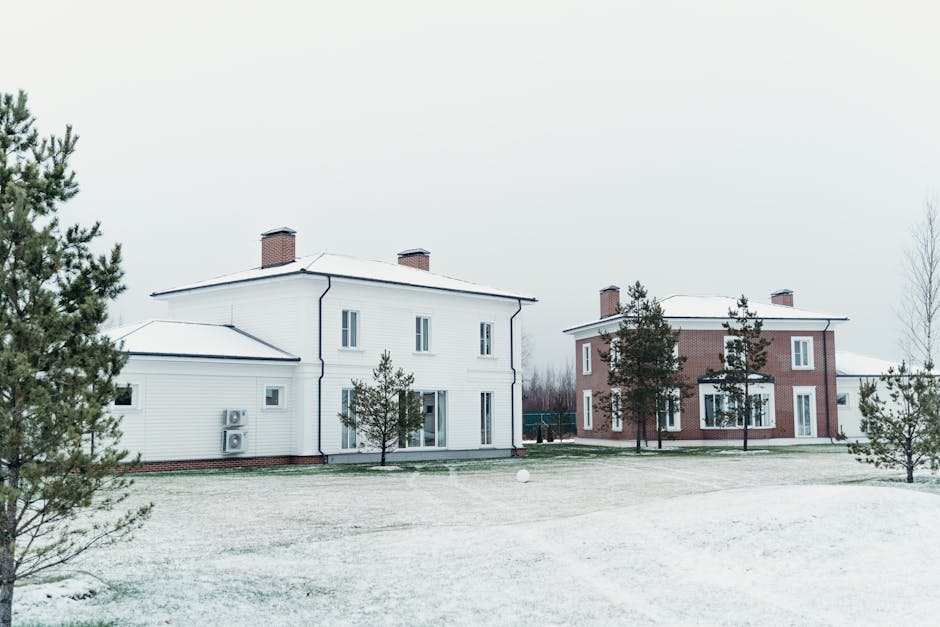
Buying a country property is a significant decision that goes beyond simply finding a house you like. Unlike urban living, rural properties come with unique considerations that can dramatically affect your quality of life and long-term satisfaction.
Location and Accessibility
The first question to ask yourself is why you want to move to the countryside. Are you seeking peace and quiet, or do you need to maintain reasonable access to towns and cities for work? Consider the distance to essential services like GP surgeries, schools, and supermarkets. Many people underestimate how isolating a property can feel during winter months when poor weather makes travel difficult.
Land and Grounds
Country properties often come with substantial grounds. Think honestly about whether you want to maintain gardens, paddocks, or woodland. What might look picturesque in summer requires significant upkeep year-round. If you're not interested in gardening or land management, you'll need to budget for professional help.
Property Condition and Services
Rural properties may rely on private water supplies, septic tanks, or oil heating rather than mains services. These require regular maintenance and can be expensive to repair. Always have a full survey conducted by someone familiar with country properties, as they'll spot issues that standard surveyors might miss.
Planning and Development
Check the local planning history and future development plans. A quiet field next to your new home could potentially be developed. Understanding what's protected and what might change helps you make an informed decision.
Community and Lifestyle
Visit potential properties at different times of day and in different seasons. Speak to current residents about their experience. Some country areas have vibrant communities with excellent local amenities, whilst others can feel quite isolated. Consider whether you'll enjoy a quieter lifestyle or if you'll find it lonely.
Budget Considerations
Factor in higher costs for maintenance, heating, and potentially hiring contractors for work you'd do yourself in town. Insurance premiums may also be higher for remote properties. Don't forget about council tax bands and potential business rates if the property has any commercial use.
Future Resale
Before committing, think about whether you could sell the property if circumstances change. Some rural properties are harder to shift than others, particularly if they're very remote or require significant work.
Taking time to thoroughly evaluate these factors will help ensure your country property becomes the idyllic home you're imagining, rather than a costly mistake.
