Fieldhouse & Co — latest stories & guides
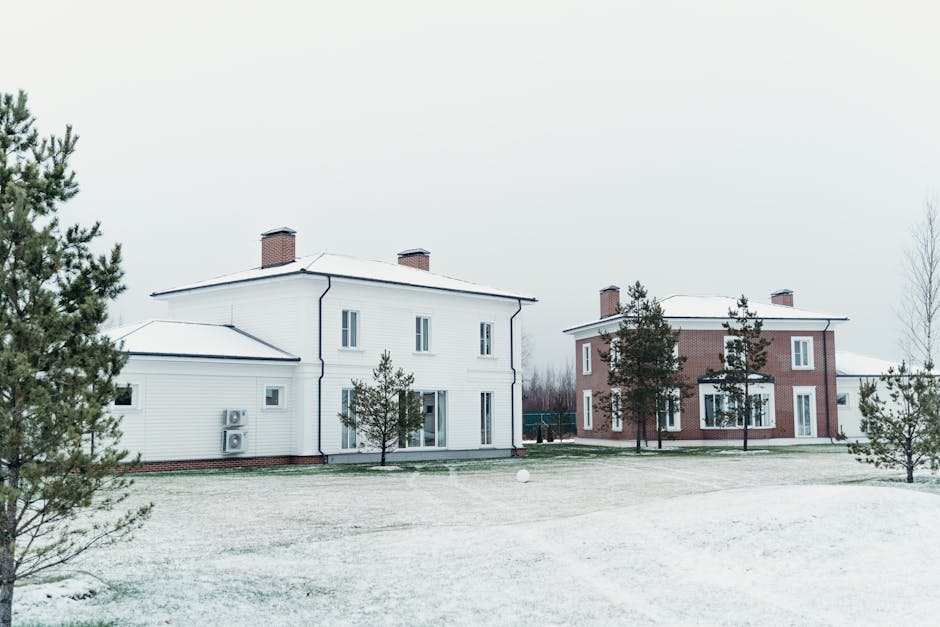
How to Choose the Right Country Property for Your Family
Finding the perfect rural home requires careful consideration of location, amenities, and lifestyle fit. Here's what to prioritise.
Understanding Surveys for Period Properties
Period properties have unique characteristics that standard surveys may miss. Learn what surveyors look for and why it matters.
Making Your Country Home Energy Efficient
Rural properties often waste energy due to age and design. Discover practical steps to improve efficiency without losing character.
The Realities of Living Off the Beaten Track
Country living offers peace and space but comes with practical challenges. Here's what to genuinely expect before you move.
Restoring Original Features in Historic Homes
Original features add character and value to period properties. Learn which elements are worth restoring and how to do it properly.
Planning Permission and Listed Property Regulations Explained
Country properties often have planning restrictions. Understanding listed building rules and planning permission requirements protects your