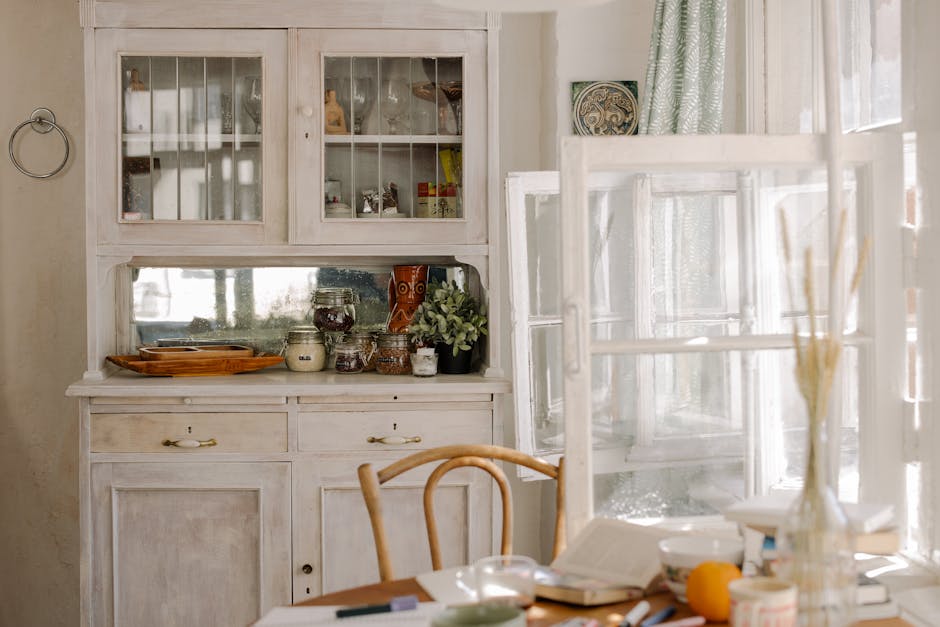
Period properties charm many UK buyers, but their age brings specific challenges that require specialist knowledge during the survey process. Understanding what surveyors focus on with older homes can help you make a better-informed purchase decision.
Why Standard Surveys Aren't Always Enough
A standard RICS survey may not adequately address issues specific to period properties. Properties built before modern building regulations present different risks than contemporary homes. You should consider instructing a surveyor with specific experience in period buildings, particularly if your property is pre-1920.
Structural Movement and Settlement
Older properties often show signs of movement that would alarm buyers of modern homes but are perfectly normal. Surveyors assess whether movement is historic (stable) or ongoing (requiring intervention). They look for patterns in cracking that indicate the property has settled naturally over decades rather than suffering structural failure.
Dampness Issues
Period properties frequently have rising damp, penetrating damp, or condensation problems. Original lime mortar and solid walls were designed to breathe differently than modern construction. A surveyor experienced with period homes understands that inappropriate modern treatments like cement mortar or plastic membranes can actually trap moisture and cause more damage.
Hidden Structural Elements
Older properties may contain timber frames, cob, stone, or other materials beneath exterior finishes. These require different maintenance approaches than brick or concrete. A surveyor should investigate what lies beneath the surface and advise on appropriate care.
Services and Safety
Electrical wiring in period properties is often outdated and potentially dangerous. Plumbing may use materials no longer considered safe. Heating systems might be inefficient or non-existent. These issues are important to understand before purchase, as upgrading can be expensive.
Roof and Timber Quality
Original roof timbers often have excellent longevity, but thatch, slate, or clay tiles require specialist maintenance. Surveyors should assess timber quality and watch for woodworm or rot, which are more common in older buildings.
Windows and External Elements
Period-appropriate windows and doors add character but may be draughty and expensive to maintain. Understanding whether you're expected to preserve original features or can upgrade affects your long-term costs and enjoyment.
Insurance and Maintenance Implications
Some period properties are difficult or expensive to insure. Certain repairs require specialist contractors who cost more than standard builders. Understanding these implications before purchase prevents unpleasant surprises later.
Investing in a thorough survey by someone who understands period properties isn't an unnecessary expense—it's essential due diligence that could save you thousands.
